
Why do I feel worse after Osteopathy? Question answered!
Osteopathy is a highly effective manual therapy that addresses musculoskeletal issues, but it’s not uncommon to feel sore or even worse after a session. If you’re wondering why this happens, know that you’re not alone.
Here are a few common experiences after an Osteopathy session:
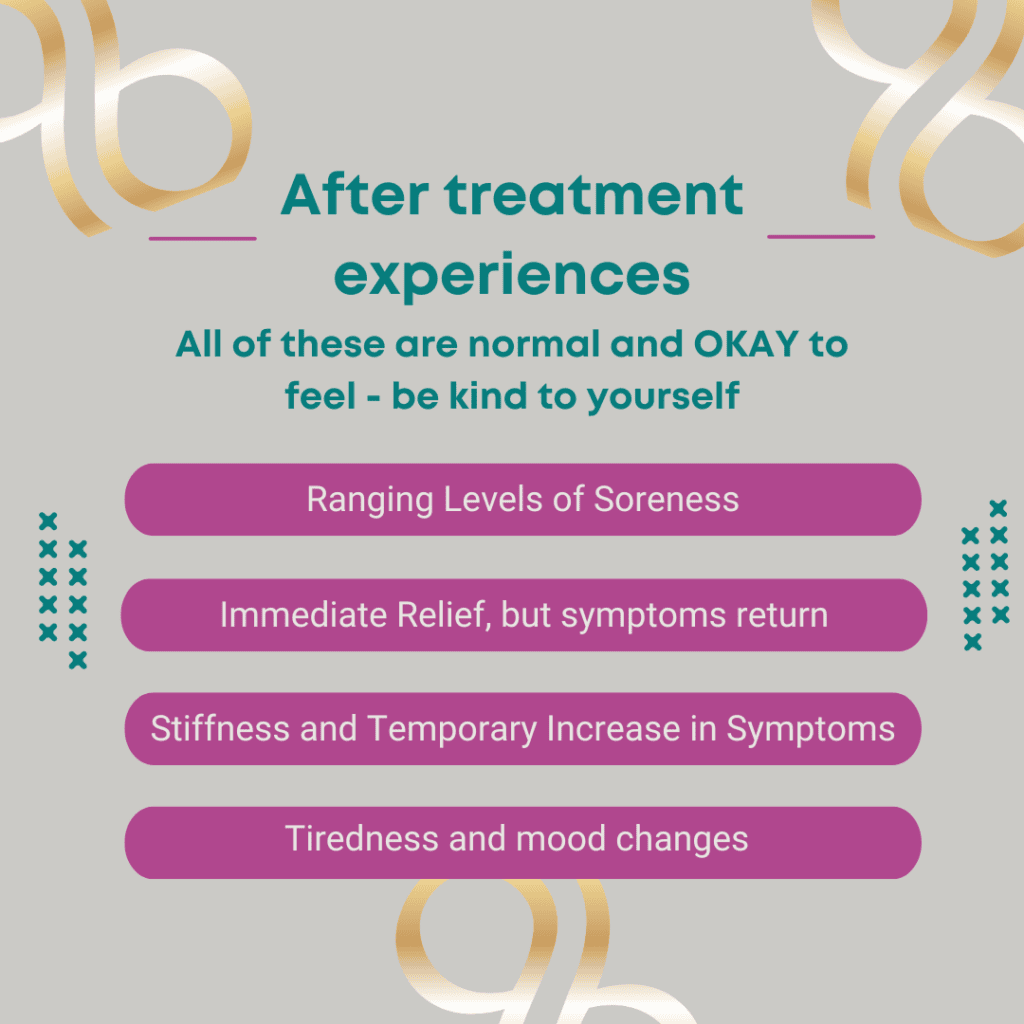
1. Soreness After Treatment
Following an osteopathy session, you may experience varying levels of soreness, much like the feeling you get after exercising. This soreness can happen immediately or emerge the day after your treatment. The manipulation of your muscles, joints, and soft tissues can trigger this sensation, as your body adjusts to the realignment and healing process initiated during the session.
Why this happens:
This is a normal response to any physical treatment. The body’s tissues have been mobilized, and this increased movement can trigger muscle soreness due to the release of toxins and tension held within the muscles. In scientific terms, the delayed onset of muscle soreness (DOMS) occurs as your muscles adapt to new stimuli . Similar to post-exercise soreness, your body is recovering and beginning to heal.
2. Temporary Increase in Symptoms Due to Inflammation
If you have underlying inflammation, it’s common to experience stiffness and even an increase in symptoms for up to 48 hours. This might seem alarming, but it’s actually a sign that your body is starting to process and heal. The osteopathic treatment stimulates circulation and lymphatic drainage, which helps to flush out toxins, reduce inflammation, and aid tissue repair .
What you can do:
During this period, keep gently going with your day-to-day activities, but be mindful to decrease and simplify exercise. Rest is crucial, but so is gentle movement to keep your joints and muscles functioning optimally. Don’t worry if you feel discomfort—this is part of your body’s necessary journey toward healing.
3. The Effects of Immediate Relief May Not Last
Sometimes after an osteopathic session, you may feel immediate relief from pain and discomfort. This can last for a few hours up to a few days. However, this relief may not be permanent in the early stages of treatment. Consistency is key. Regular sessions help your body stabilize and hold the corrections made during each treatment.
Recommendation:
It is generally advised to rebook treatments between 7-10 days initially to allow the benefits to accumulate. Over time, your body will learn to retain the adjustments made, and the gaps between sessions can increase as your symptoms stabilize.
Everything You’re Feeling is Normal
Whether you experience relief or a temporary increase in pain, it’s all part of the healing process. The way your body processes osteopathic treatment is unique to you. Some people respond quickly, while others take longer to adjust. This variability is completely normal and part of your body’s adaptation process.
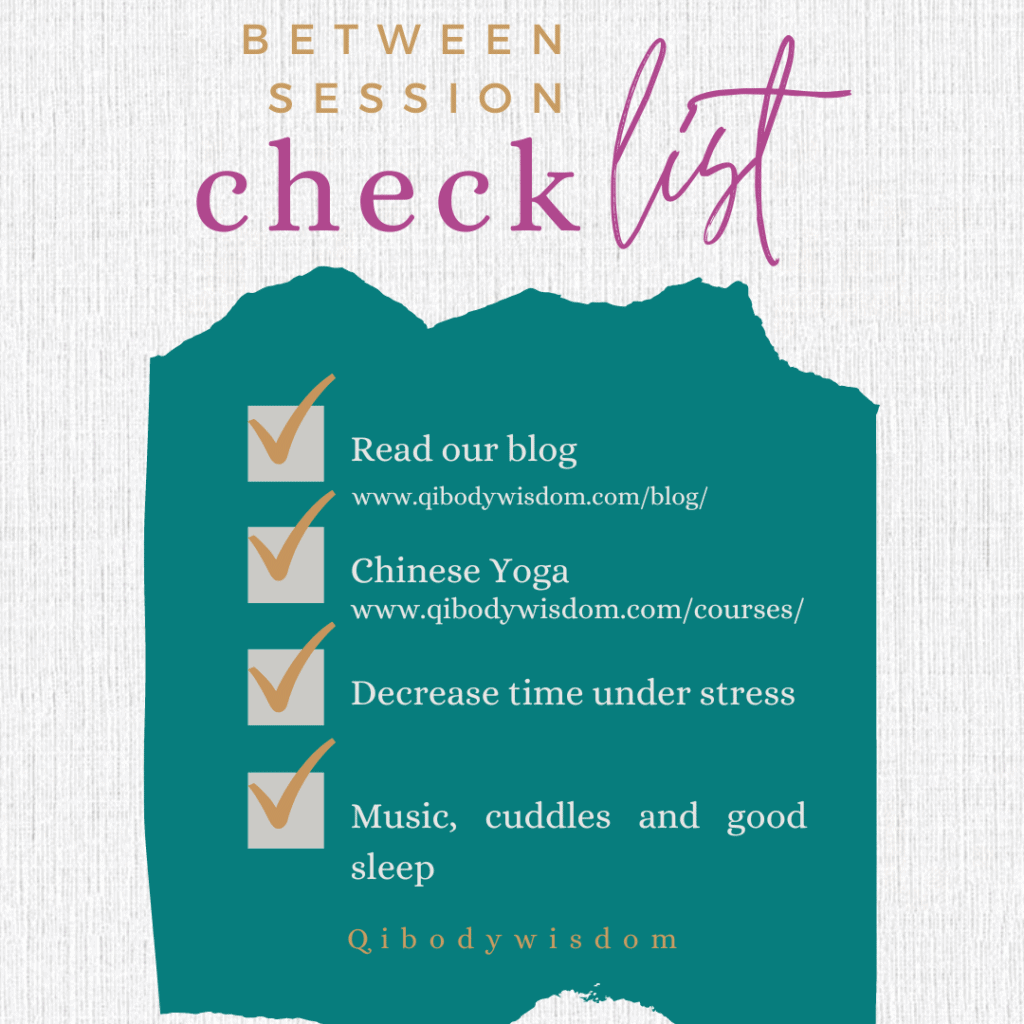
Things You Can Do at Home Between Appointments:
In addition to osteopathic care, there are several things you can do at home to support your healing:
A. Breathing Exercises & Pain Education
Read our blog for soothing and destressing breathing exercises. Learning more about how pain works can also be beneficial. Pain is a complex experience, influenced by both physical and psychological factors . The more you understand it, the better you can manage it.
B. Chinese Yoga Courses
As a new patient, you have access to three months of our Chinese Yoga courses. Chinese Yoga, also known as Qigong, combines slow, deliberate movements with mindfulness and deep breathing, which can reduce stress and promote healing . You can choose to continue with the free-for-everyone mini course or subscribe for more advanced classes. Find what works best for you.
C. Stress Recovery & “You Time”
Managing stress is key to recovery. Taking time for yourself to relax and unwind can significantly impact your healing process. Whether it’s through yoga, meditation, or simply reading, finding ways to reduce stress allows your body to repair and regenerate.
D. Good Quality Sleep
Sleep is when your body does its best healing. Make sure you’re getting enough restful sleep each night, as it plays a critical role in reducing inflammation and promoting recovery.
Need More Guidance?
If you have any questions or concerns about your recovery, don’t hesitate to drop us an email or send a WhatsApp message. We’re here to help you every step of the way. Don’t worry in silence!
Why do I feel worse after Osteopathy? – CONCLUSION
Feeling worse after osteopathic treatment can be unsettling, but it’s often part of the body’s natural healing process. Soreness, temporary symptom increases, and short-lived relief are common experiences. Consistent care, patience, and proper at-home self-care can all help facilitate long-term healing and relief.
—
References
1. [Journal of Orthopaedic & Sports Physical Therapy – Understanding Delayed-Onset Muscle Soreness (DOMS)](https://www.jospt.org/)
2. [National Institutes of Health – The Role of Inflammation in Musculoskeletal Health](https://www.nih.gov/)
3. [Pain Science Journal – The Neuroscience of Pain](https://www.painscience.com/)
4. [Journal of Complementary and Integrative Medicine – The Health Benefits of Qigong](https://www.jcim.com/)